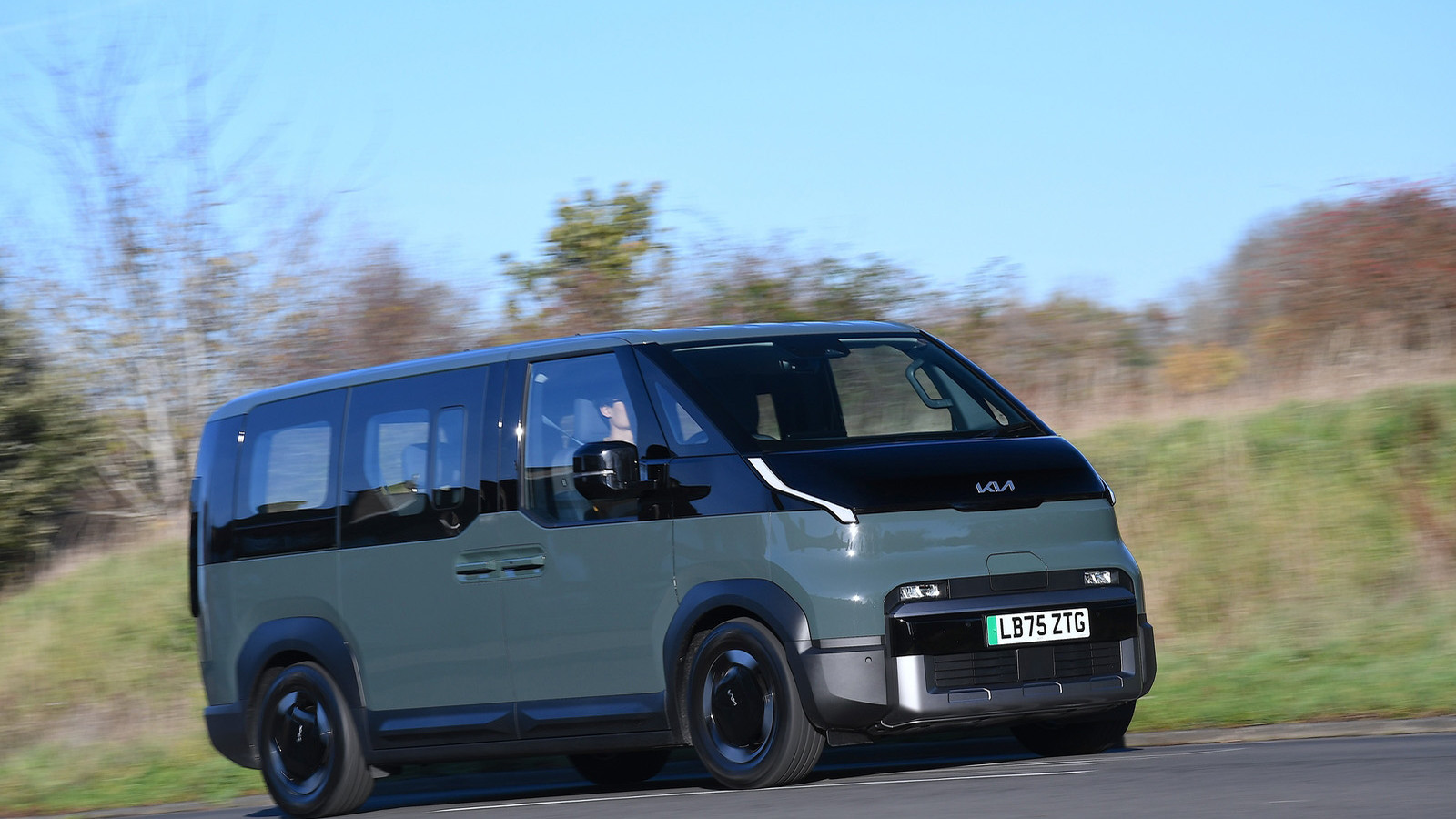
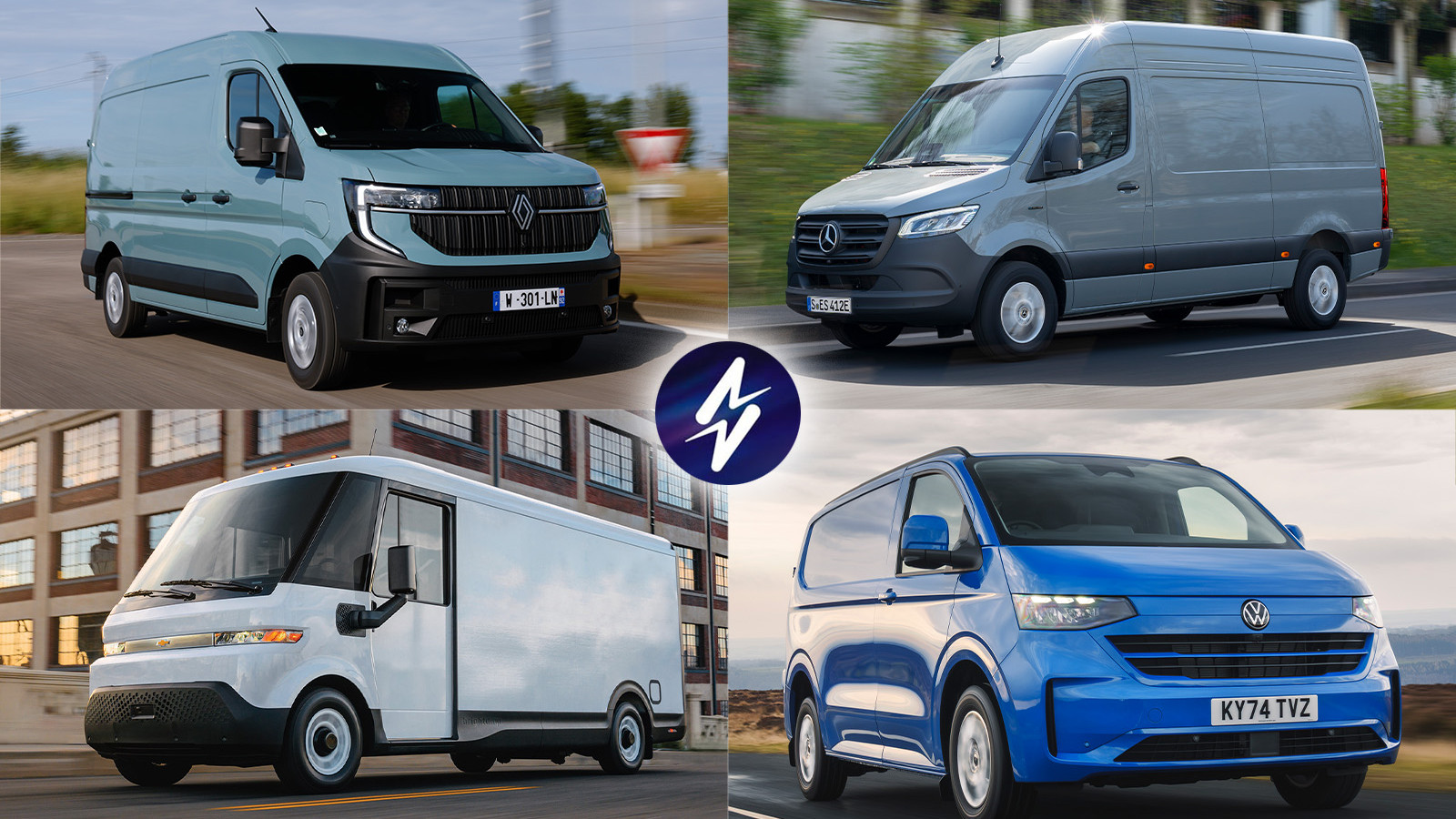
9. Kia PV5 - 415 km (256 miles)
In long-range specification, the Kia PV5 is one of the most efficient and versatile electric vans on sale.
It offers a choice of 51.5kWh or 71.2kWh batteries, mounted beneath the load floor. The longer range 71.2kWh unit has a claimed range of 71kWh (256 miles).
The PV5 is a good value option to rival the Volkswagen ID Buzz. The PV5 Cargo van version comes with either one sliding side door or two barn-style doors at the rear, a collapsible front passenger seat and a bulkhead that can open up for through-loading, if you want them.
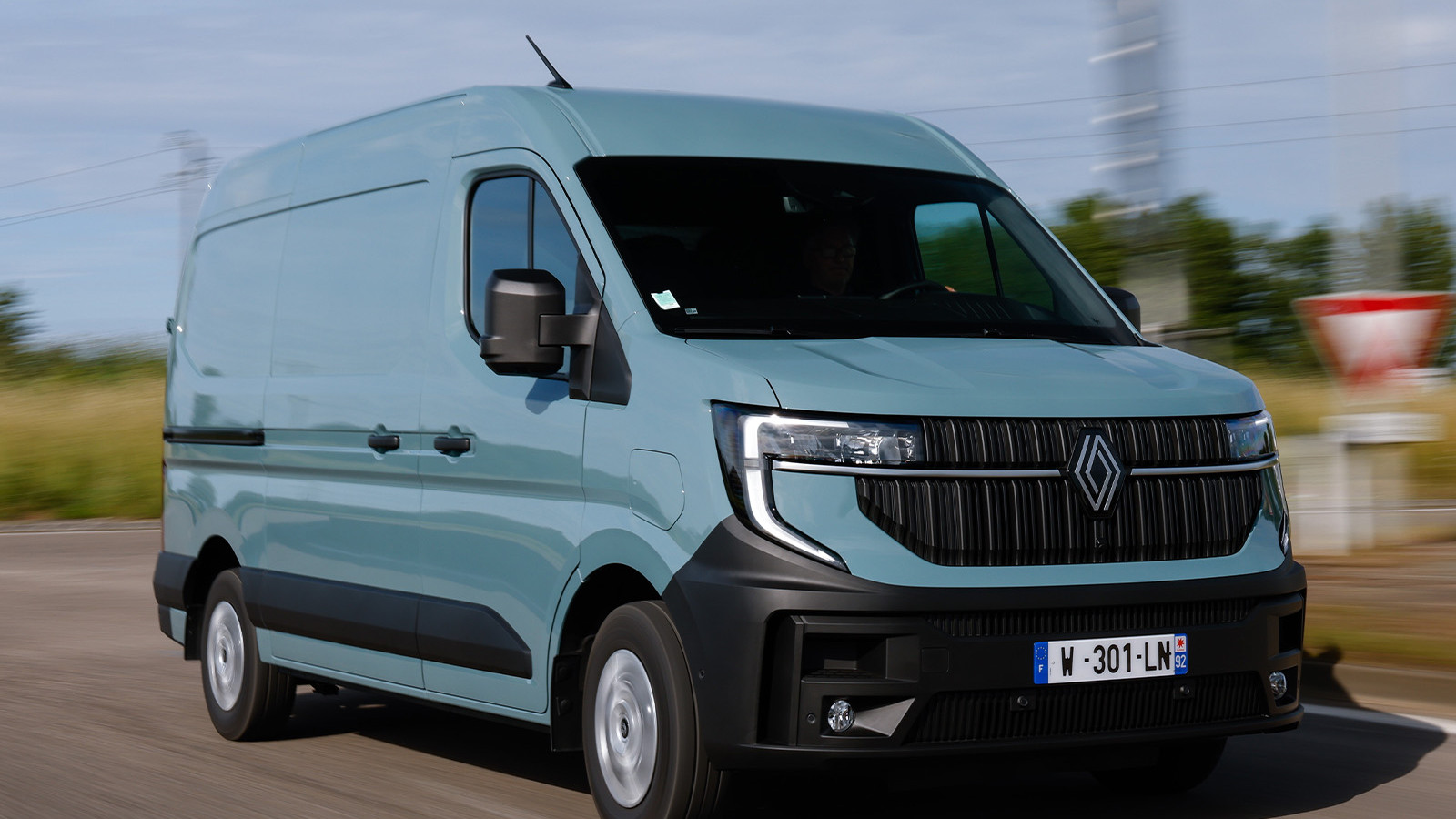
1. Renault Master E-Tech - 459 km (285 miles)
The Renault Master E-Tech is the world’s longest-range electric van. Powered by an 87kWh battery, Renault claims a range of 459km (285 miles).
The Master is Renault’s largest electric van and sits firmly at the top of the class both for range and payload capacity.
It’s powered by a 138bhp electric motor with 221lb ft of torque, but more importantly, it will carry up to 1625 kg with ease and tow up to 2,00 kg. The largest version measures 14.8m³ and 3855mm long.
Overall, few can beat the Renault Master E-Tech, which packs an impressive range and a strong payload capacity with a smooth, comfortable drive.
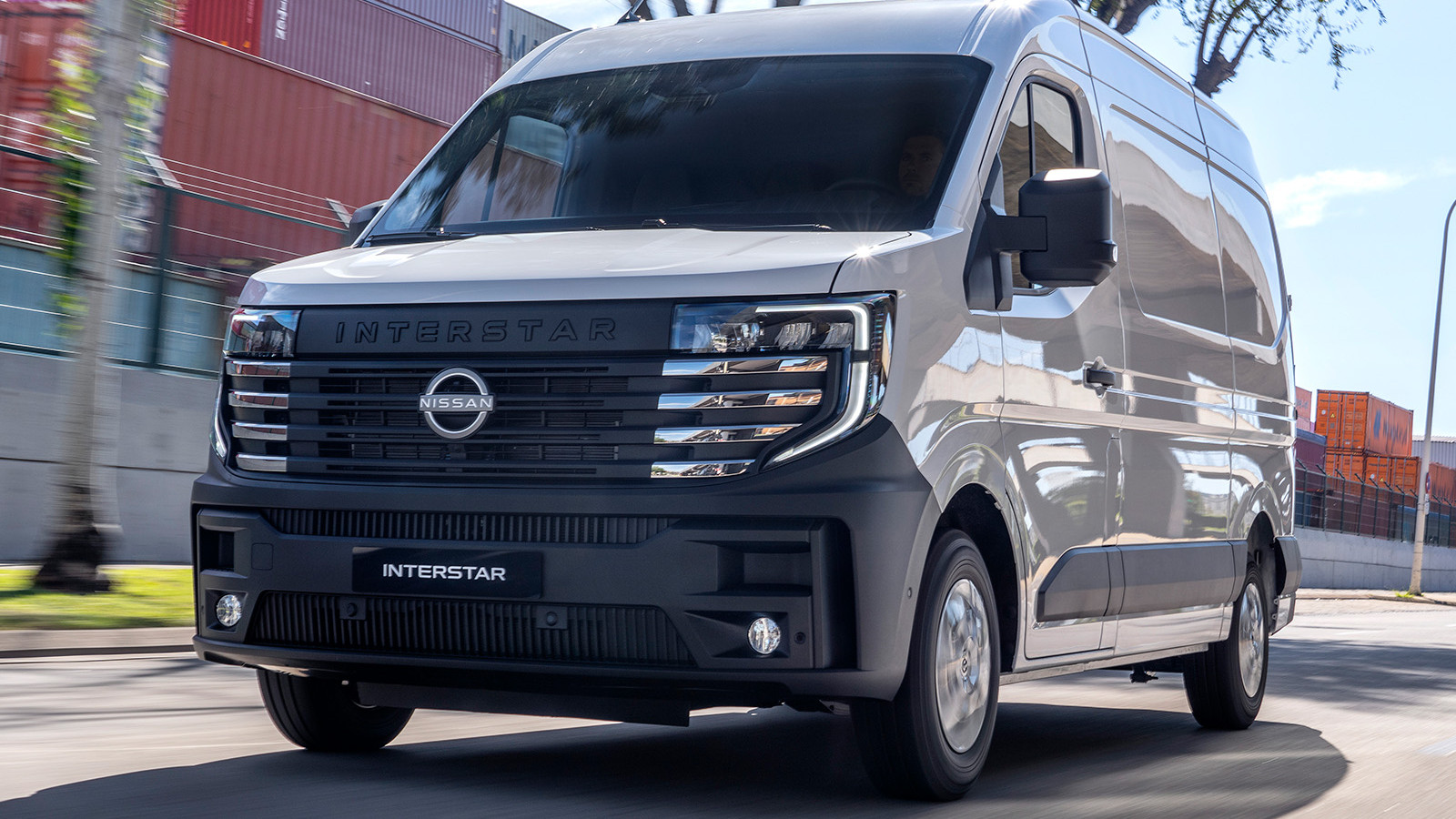
2. Nissan Interstar-e - 459km (285 miles)
The Nissan Interstar matches the Renault Master for range, and with good reason.
The Interstar is based on the same platform as the Master, with an 87kWh battery, plus a range of 459km.
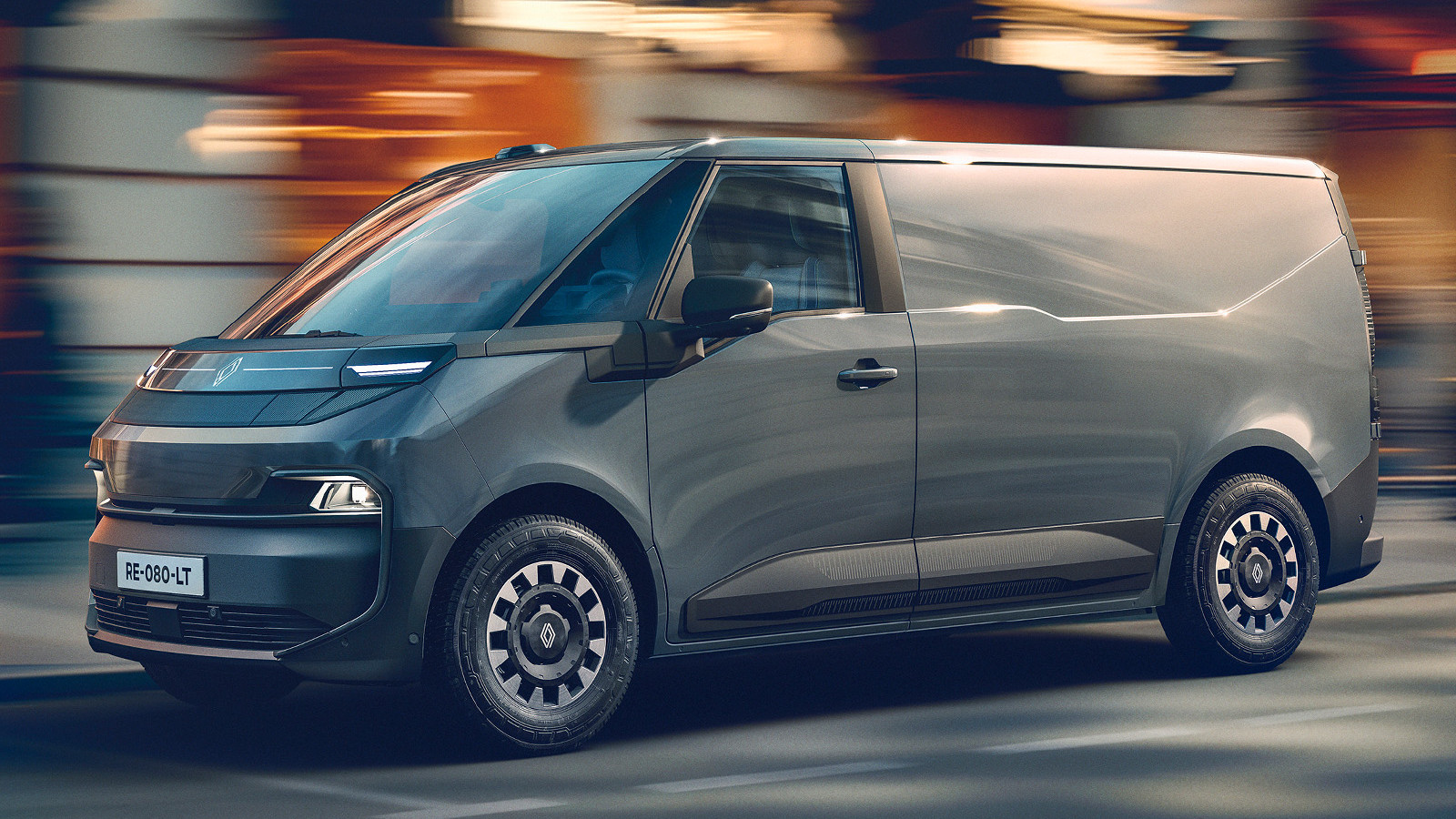
3. Renault Trafic E-Tech - 449 km (279 miles)
Renault’s mid-sized electric van is powered by an 87kWh battery, which gives it an impressive range of 449km (279 miles).
Measuring 5.27m long and 1.9m high, Renault claims a payload capacity of 1250kg from a 5.8m³ space.
While the traditional size of a van, the Trafic boasts an impressively small turning circle of 10.3m, which is the same as the Renault Clio hatchback.
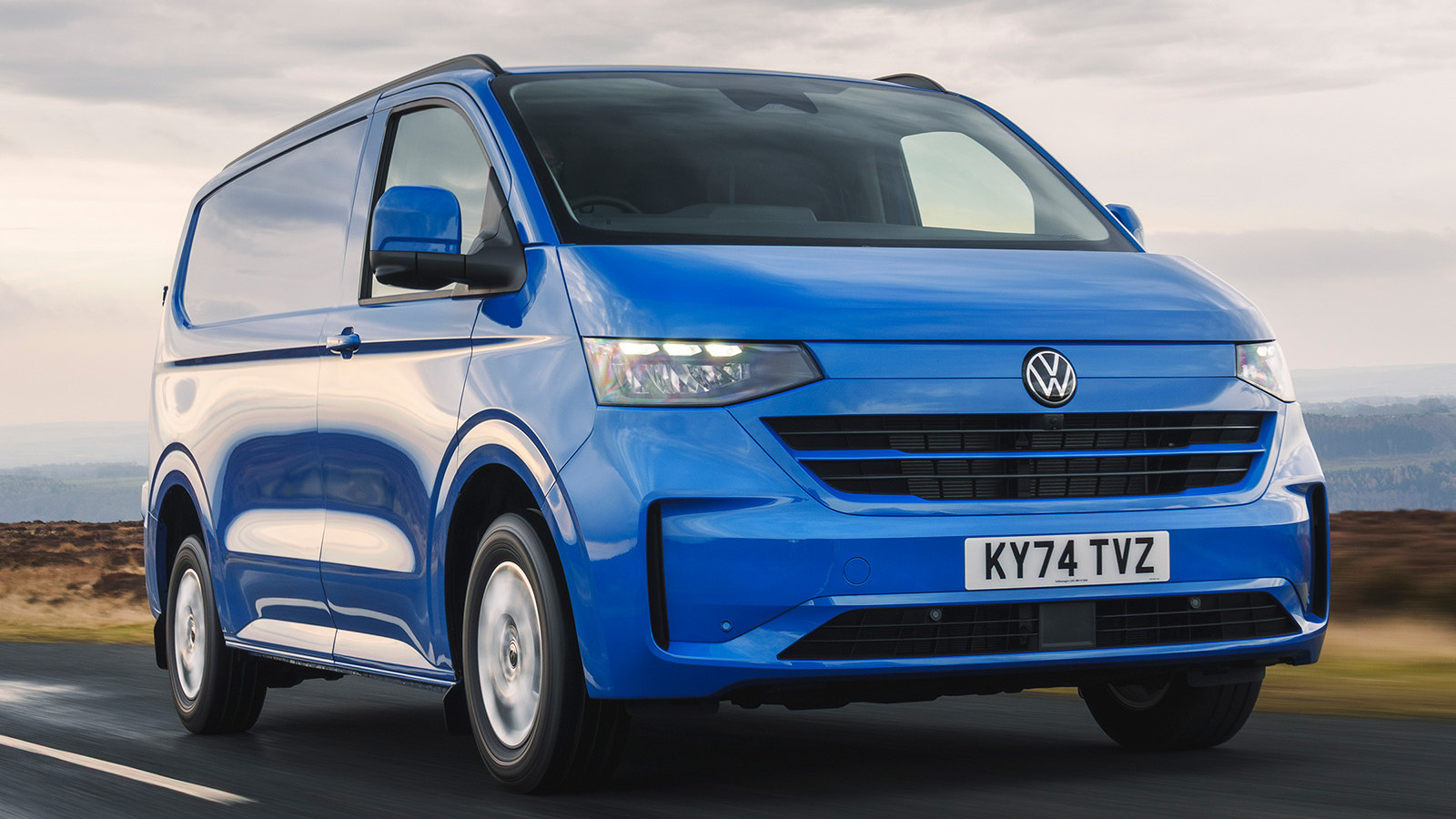
4. Volkswagen ID. Buzz Cargo (LWB) - 444 km (estimated) (276 miles)
The Volkswagen ID Buzz is available in several body styles, including as a passenger car or a traditional, load-lugging van.
In long-wheelbase form, the Buzz Cargo swaps out the 79kWh battery from its shorter variant for a larger 86kWh unit.
As the Buzz Cargo LWB is due to launch in 2026, we’re still unsure about range figures. That said, the regular Buzz LWB offers a range of around 444km, so by the end of the year, the Buzz could well sit at the top of this list.
Its length is 4.96 metres, which is around 25cm longer than the short-wheelbase model.
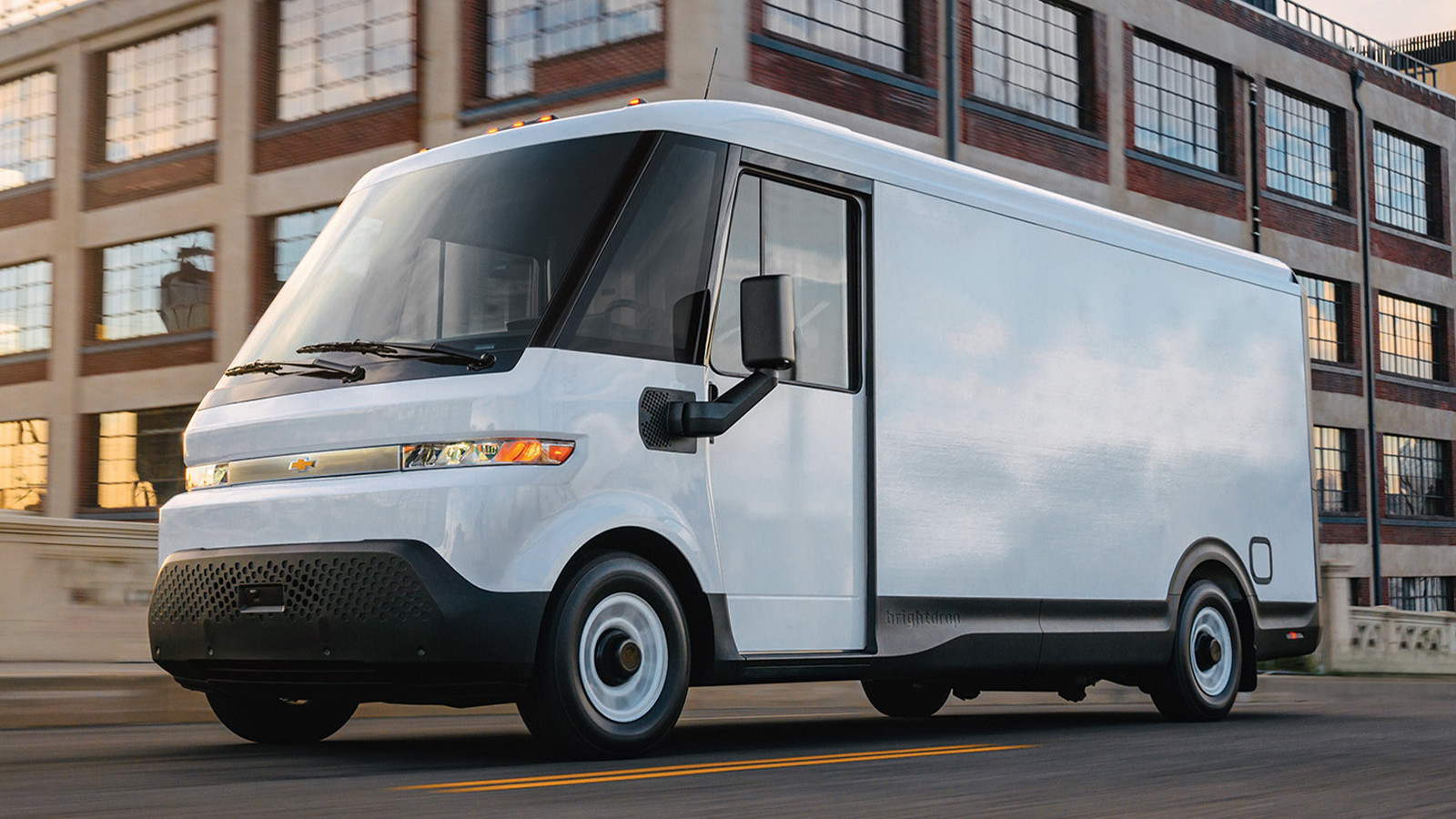
5. Chevrolet BrightDrop 600 - 438 km (272 miles)
From the United States, the Chevrolet BrightDrop is a boxy delivery van with by far the largest battery on this list.
In maximum range form, the Brightdrop features a 172kWh battery with a range of up to 438 km (272 miles). GM’s own estimations for the battery are a bit lower at 377 km (234 miles).
As well as its massive battery, the Brightdrop can carry a payload of up to 1682kg. Its versatile interior can accommodate several different layouts, with shelves, anti-slip floors, and different door set-ups.
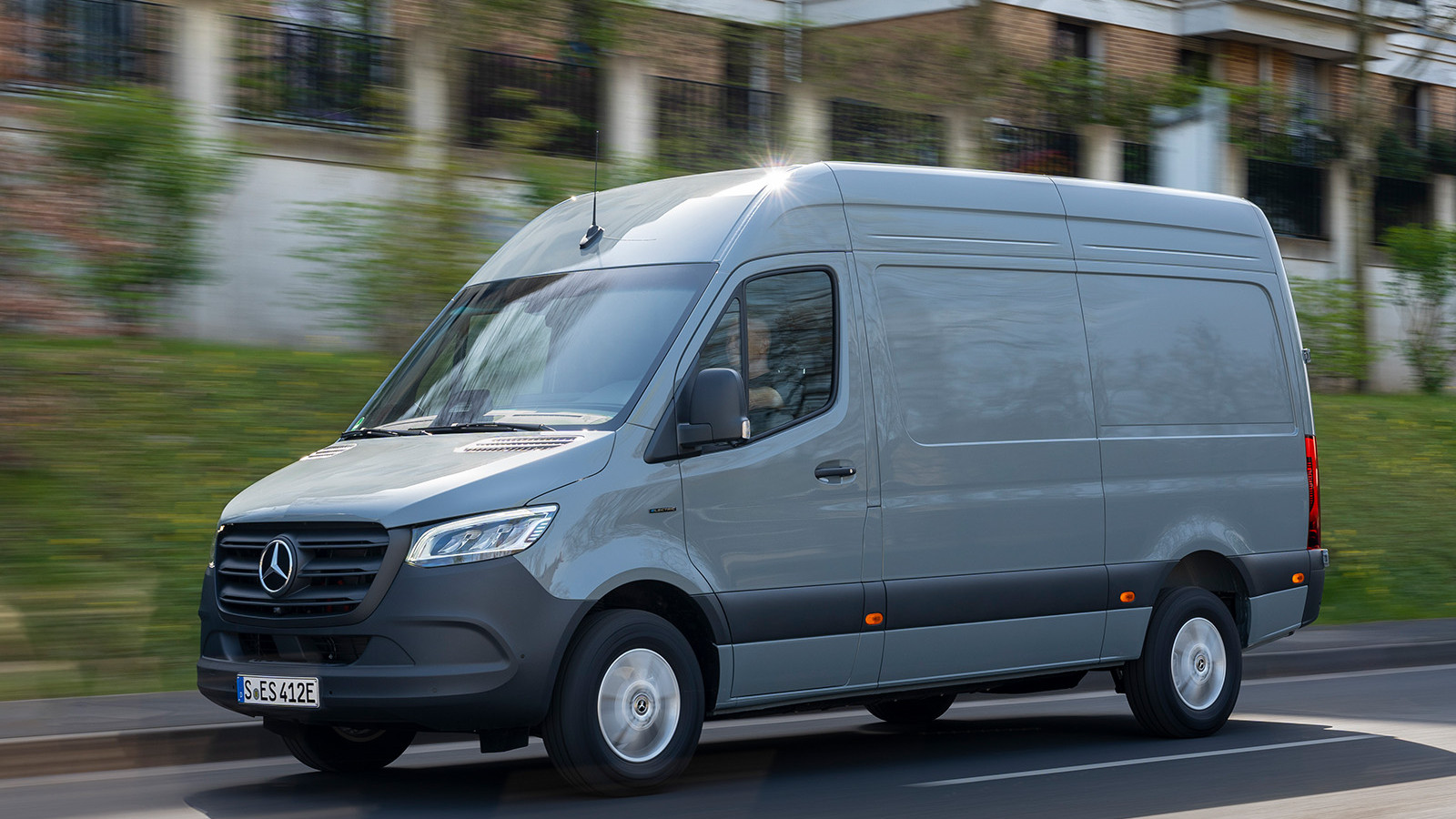
6. Mercedes-Benz eSprinter - 438 km (272 miles)
The Mercedes-Benz eSprinter is Mercedes-Benz's largest electric van and its carrying 113kWh battery.
Range stands at a competitive 438km (272 miles), which means the German panel van sits comfortably in the top five electric vans in terms of driving distance.
The eSprinter can’t quite match its competitors for payload capacity, though, and it’s mostly due to licensing and classification reasons.
It can carry up to 1229kg, and that figure is limited to models with an 81kWh battery. The 113kWh model, meanwhile, is limited to carrying 1001kg.
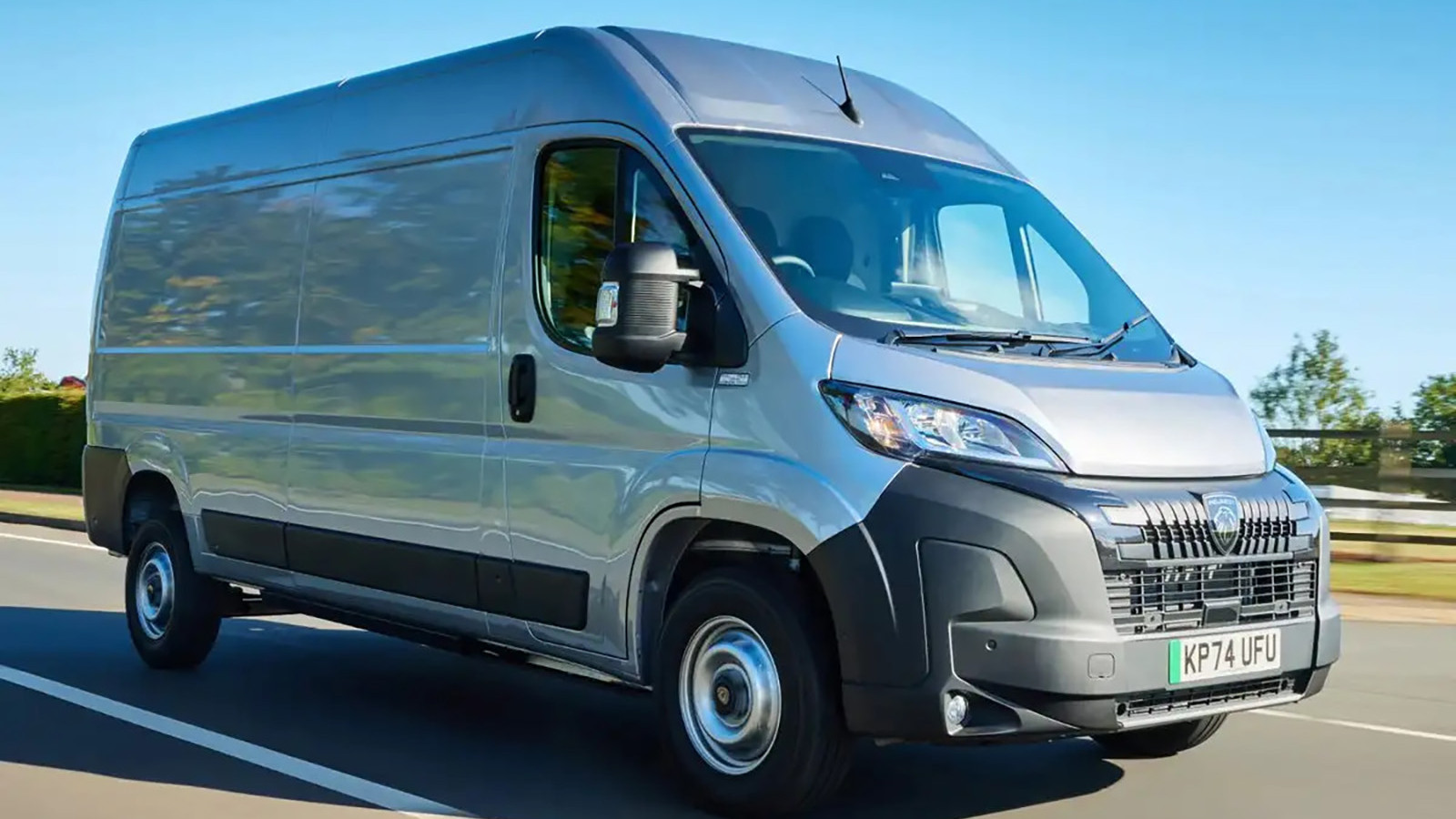
7. Fiat E-Ducato/Opel Movano Electric/Peugeot e-Boxer - 423 km (263 miles)
The Fiat E-Ducato, Peugeot e-Boxer and the Vauxhall Movano all use a tried and tested layout from Stellantis with a 110kWh battery and a range of 423km (263 miles).
A sole electric motor produces 270bhp and 295lb ft of torque, and it drives well too, thanks to its low centre of gravity.
The three vans have a payload capacity of up to 1.5 tonnes, and the load volume isn’t hindered compared to the internal combustion version, which is a big plus.
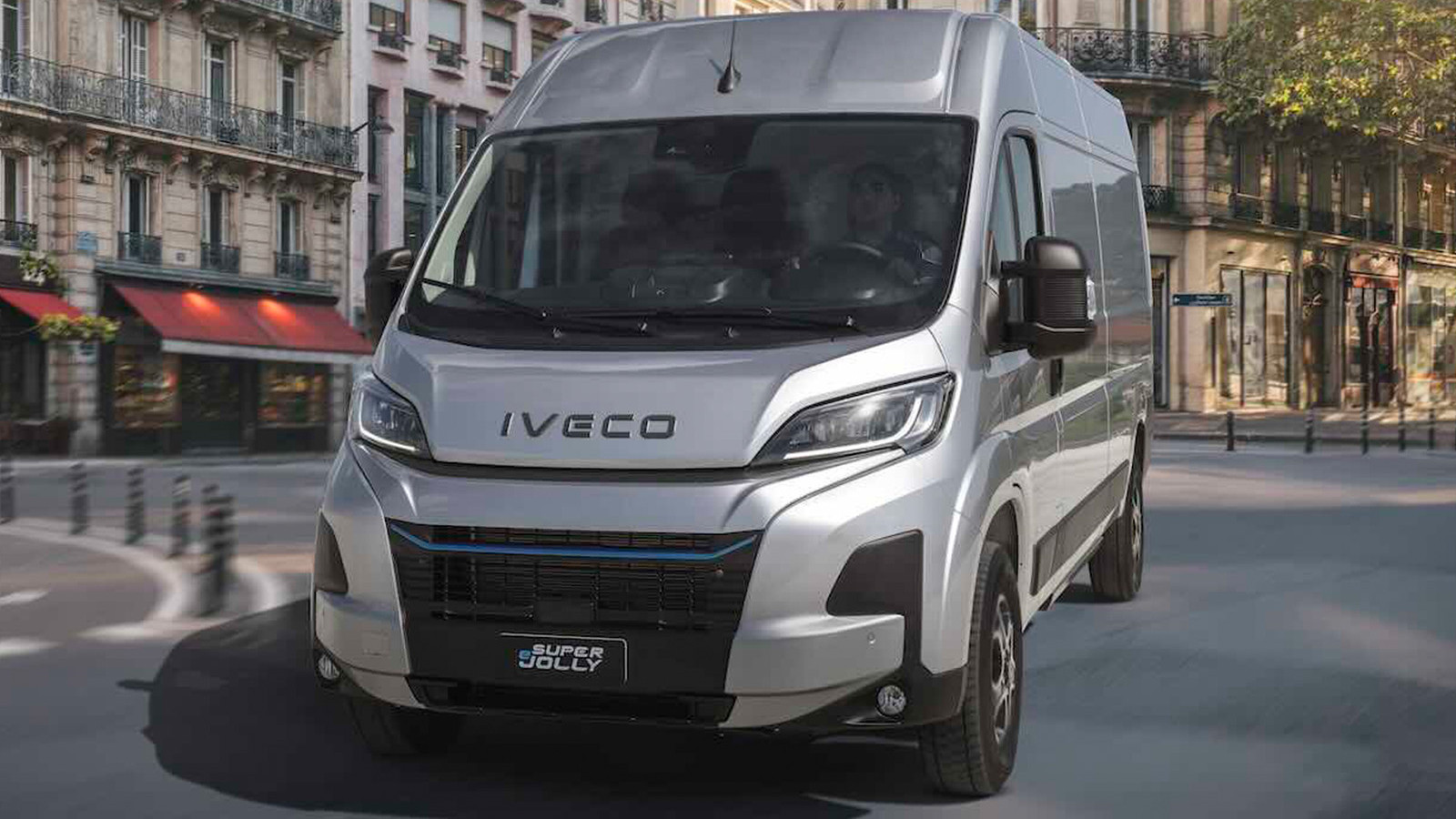
8. Iveco eSuperJolly - 420 km (261 miles)
The delightfully-named Iveco eSuperJolly gets a 110kWh battery with a range of up to 420km (261 miles).
A single electric motor produces 272bhp and 295 lb ft. That should provide plenty of punch, and its charging speed is competitive too, reaching as high as 100kW.
The eSuper Jolly comes with a 1.4-tonne payload capacity, in a space measuring 17 cubic metres.
For years, the "electric transition" for tradespeople and fleet managers was stalled by a single, stubborn question: "Can it actually last a full day's work?"
In the early days of electric light commercial vehicles, a range of over 100 miles was a luxury, and a full payload often meant looking for a charger by lunchtime.
But as we move through 2026, that narrative has officially shifted. We have entered the era of the 300-mile electric van.
Thanks to a new generation of dedicated EV platforms, improved aerodynamics, and massive leaps in battery density, today’s electric vans are no longer just "last-mile" city runabouts.
The endurance gap between diesel and electric vans is rapidly closing, highlighted by models like the highly efficient Kia PV5 and the latest Mercedes eSprinter with its significant 113kWh battery capacity.
In this guide, we break down the top performers on the market, ranked by their official WLTP range, to help you find a workhorse that spends more time on the road and less time at the plug.
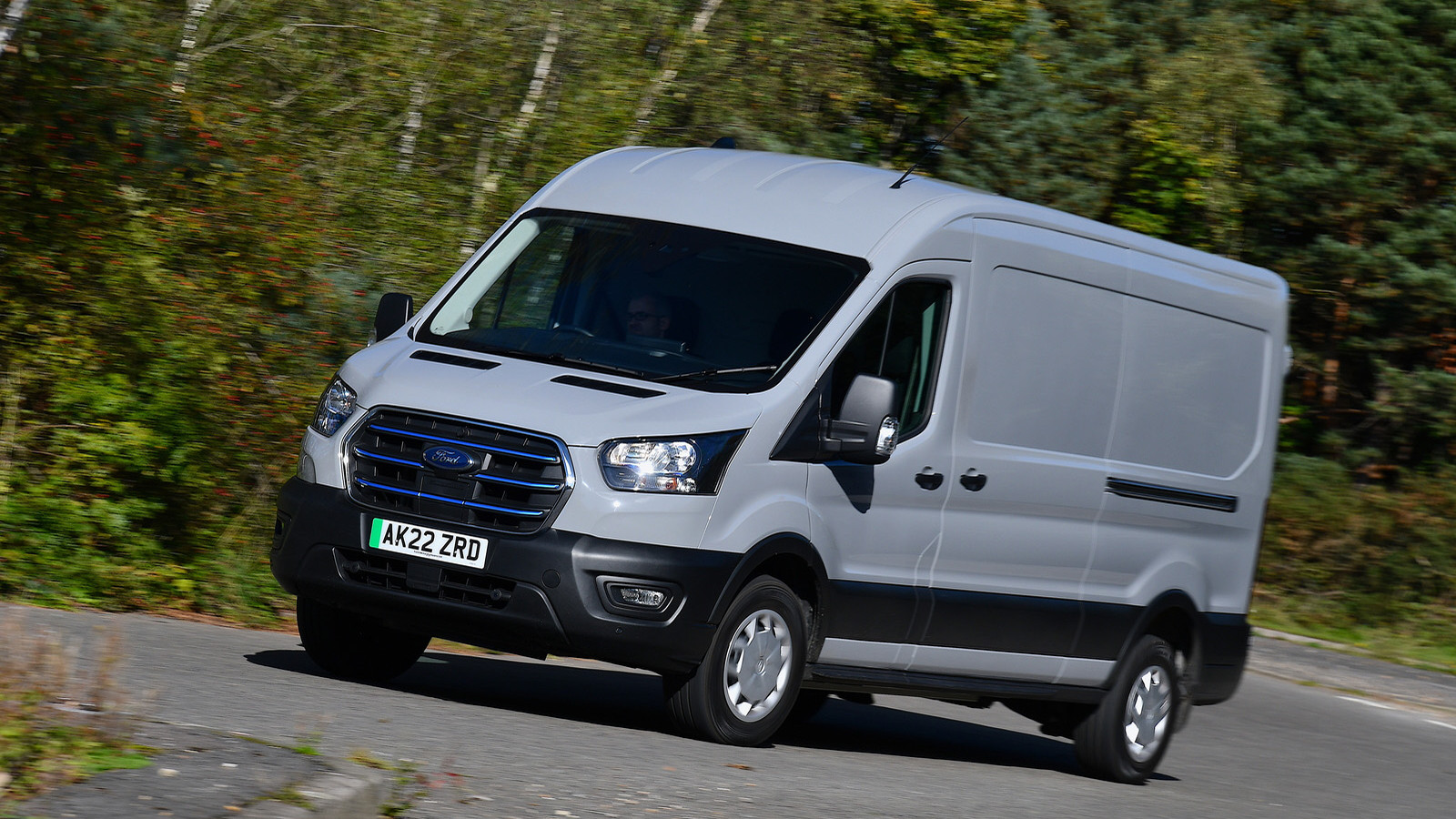
10. Ford E-Transit - 401 km (249 miles)
The Ford E-Transit comes in a choice of Standard Range of Enhanced. The Enhanced is the model to choose for the longest range, with an 89kWh battery.
Ford claims up to 401km (249 miles) on a single charge, with an impressive maximum charging speed of 180kW.
The maximum payload stands at 1484kg, but power can vary depending on which powertrain you choose.
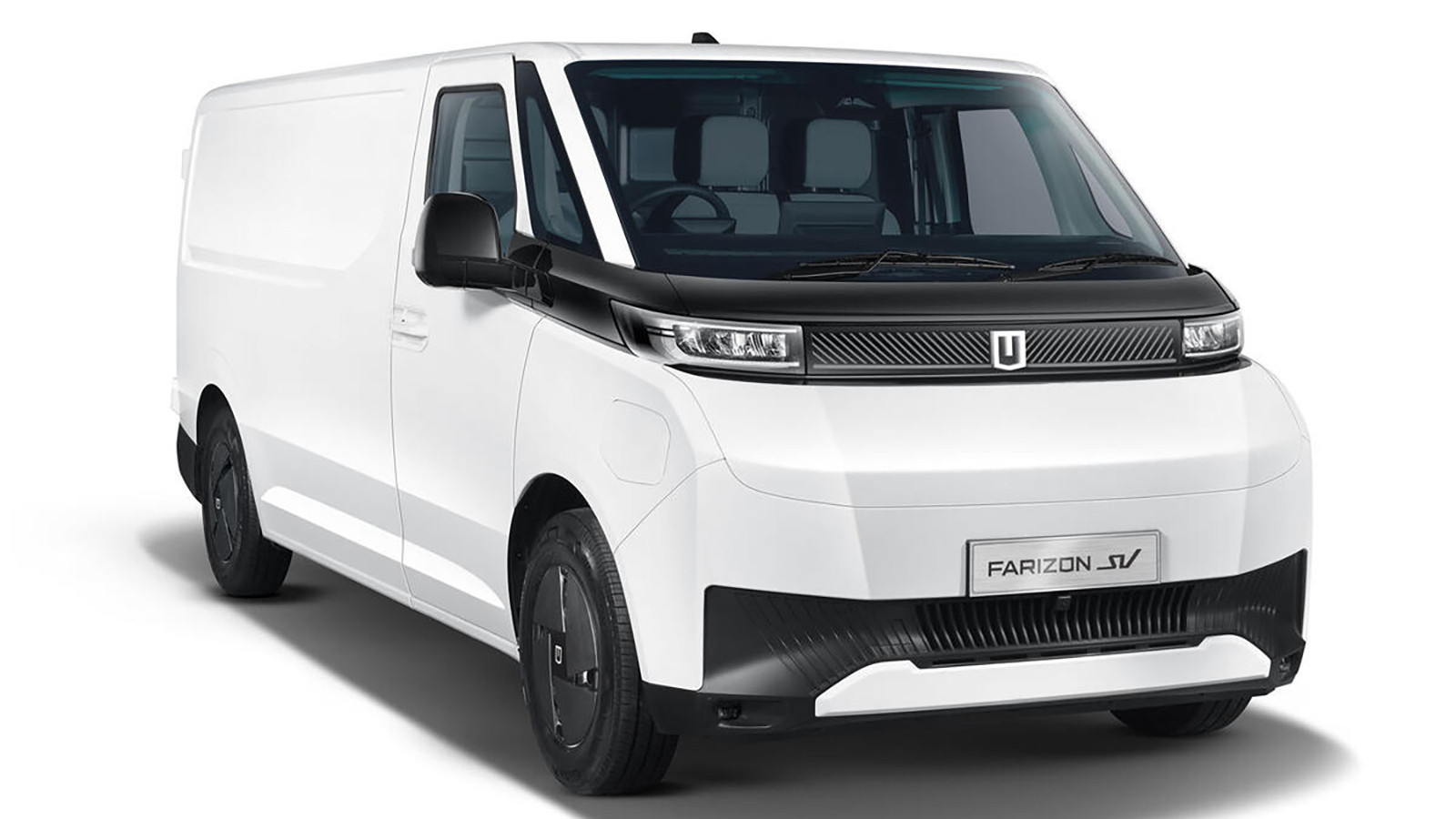
11. Farizon SV - 397km (247 miles)
Farizon is a new van company from China, under the control of the Chinese car giant Geely.
The company has several electric vans, but the Farizon SV has the most competitive range, with 397km available.
Battery sizes range from 67 kWh to 106 kWh, while payload capacity is limited to 1350kg. That’s competitive too, compared to many rivals.
Geely hopes the Farizon SV will take the UK and Europe by storm when it arrives later this year.
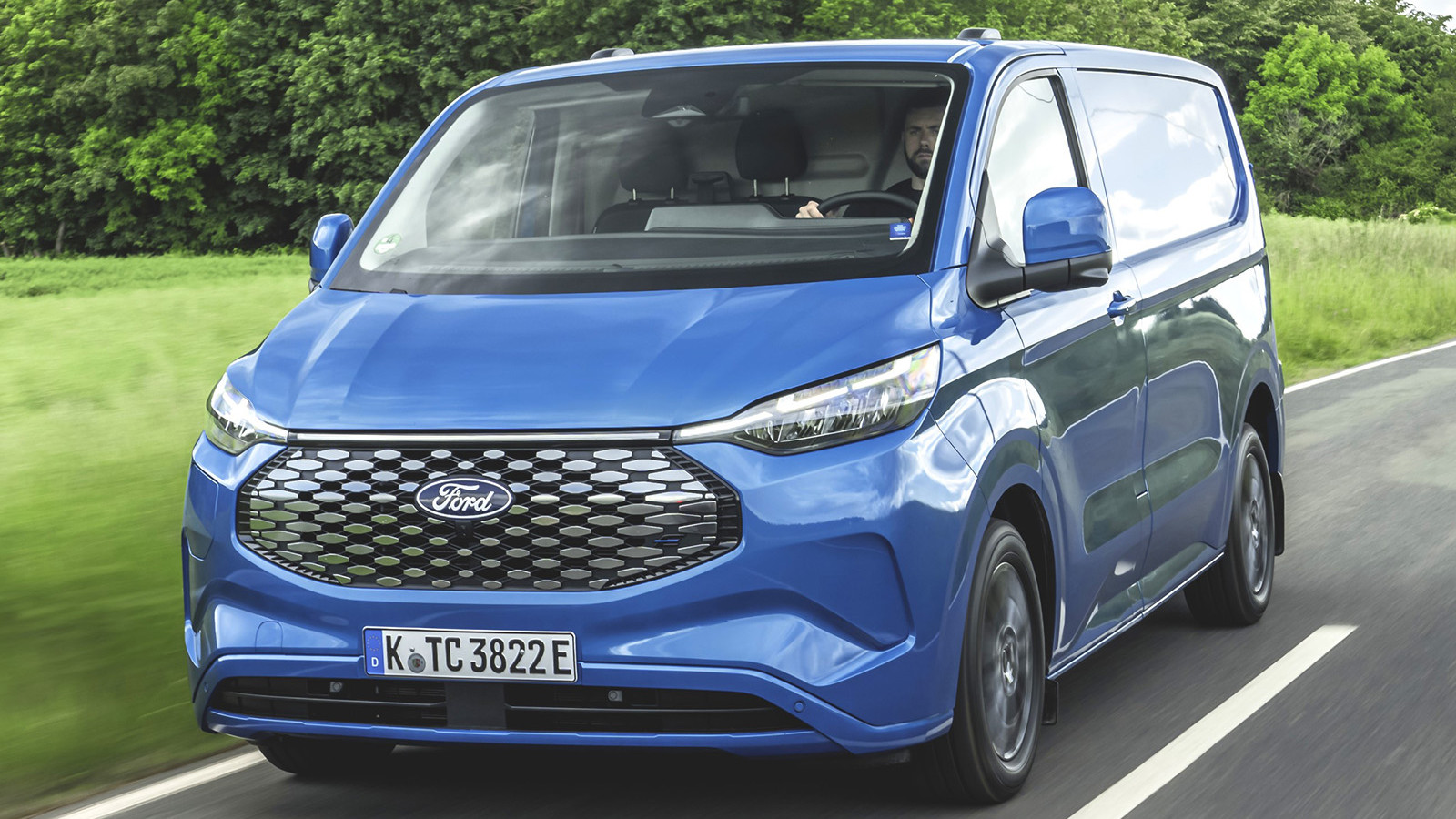
12. Ford E-Transit Custom - 373 km (232 miles)
The Ford Transit Custom has been a go-to option for tradespeople for many years, and the electric version offers a completely new dimension for the industry.
The van recently received a big battery capacity upgrade, rising from 64kWh to 71kWh, meaning its range now stands at 371km (232 miles).
The Transit Custom is probably the class leader for driving capabilities. Its 2.3-tonne towing capacity is particularly impressive, and an all-wheel drive model is on the way soon, too.
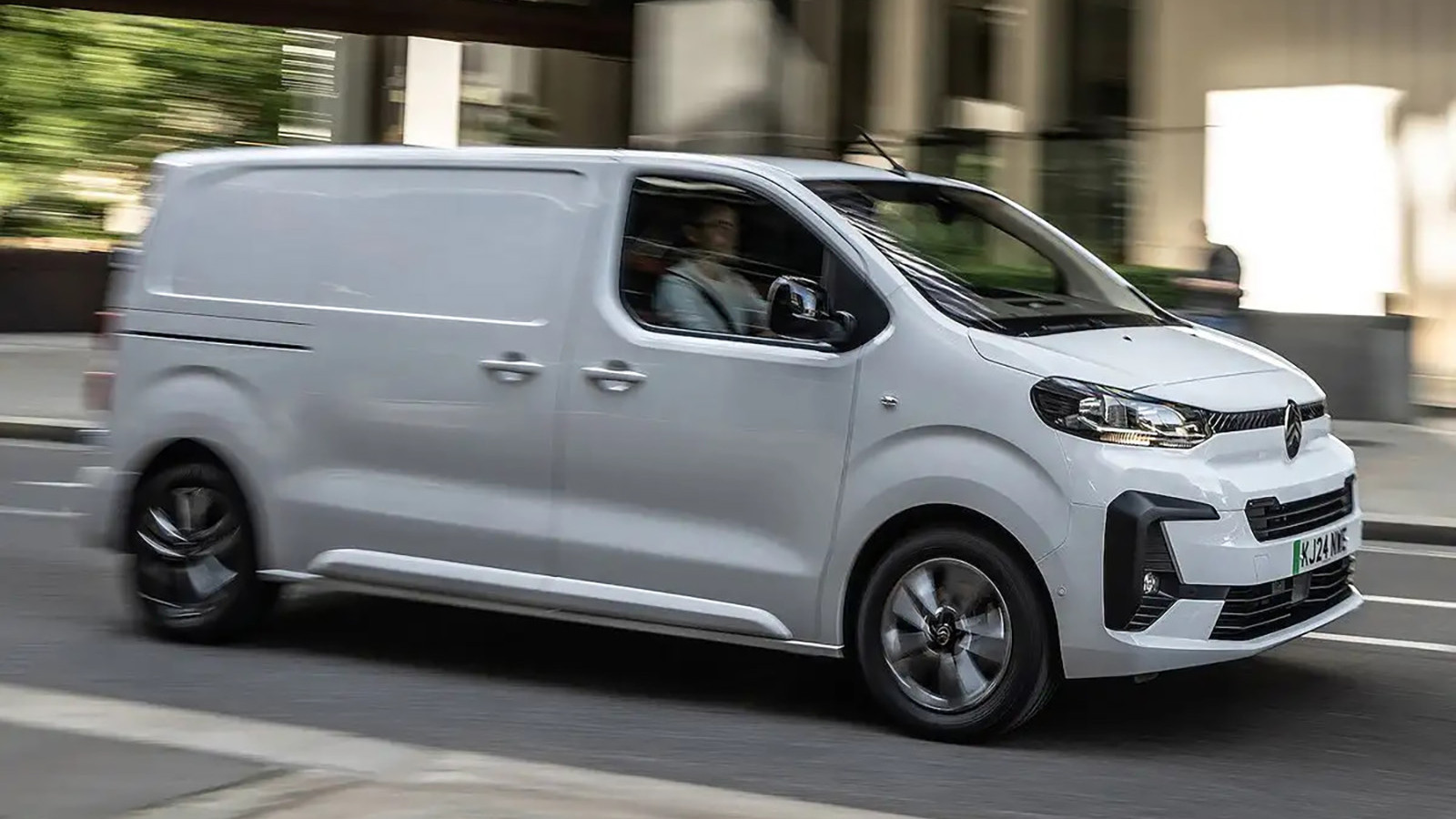
13. Citroën ë-Dispatch - 372 km (231 miles)
The Citroën ë-Dispatch is one of many electric vans produced by French car giant Stellantis.
It's equipped with a 75kWh battery (68kWh usable capacity), which is good for an official range of up to 373km (230 miles), depending on specification.
Power comes from the ë-Dispatch's single electric motor mounted on the front axle, producing 100kW (134bhp) and 192lb-ft of torque.
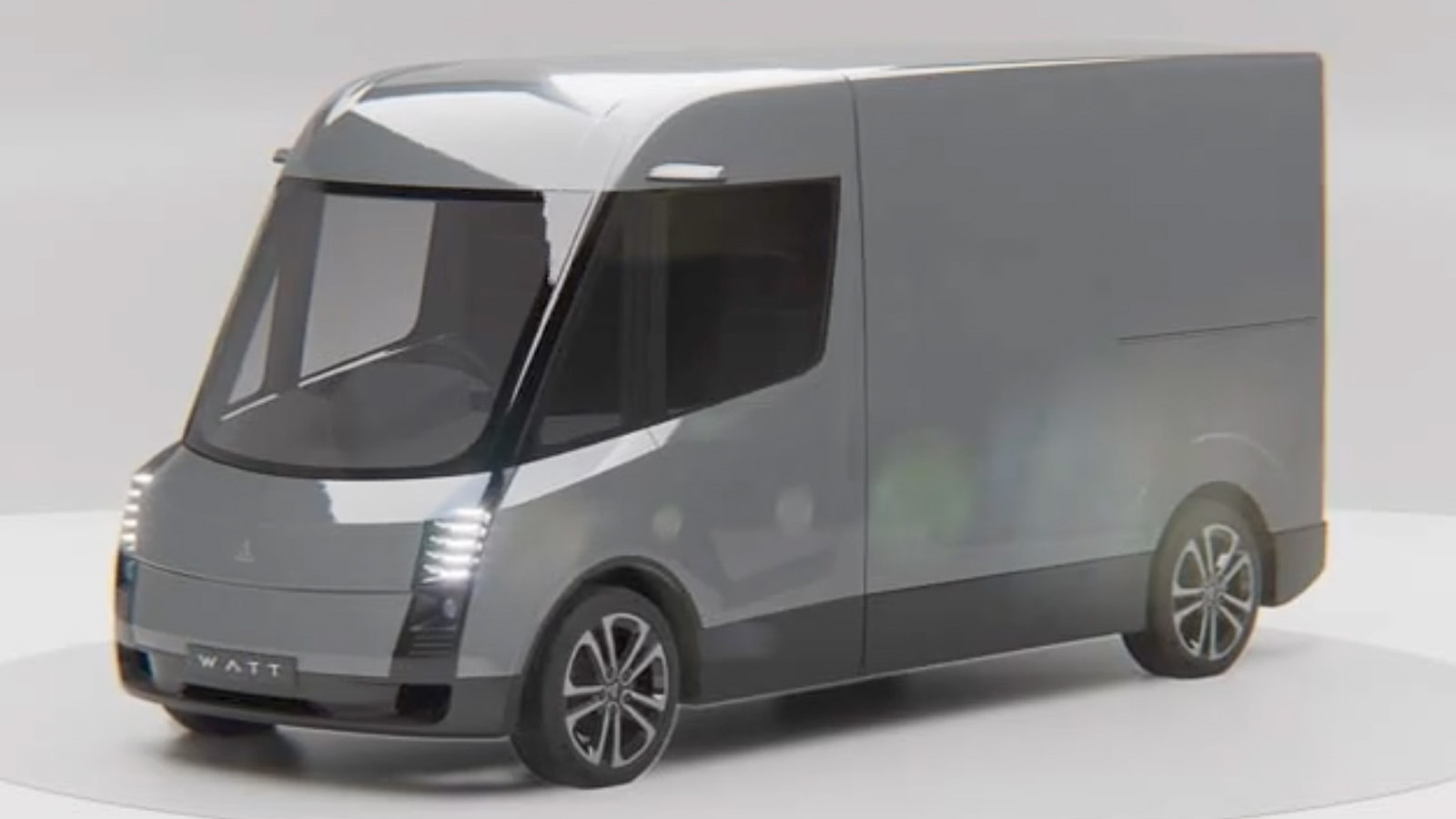
14. WEVC eCV1 - 370 km (230 miles)
Due to arrive this year, the WEVC eCV1 is a new electric van from the Watt Electric Vehicle Company, based in Cornwall, in the United Kingdom.
Range details aren’t fully announced yet, but the prototype model claimed a range of 235 miles. According to reports, the range for the production version is claimed to be ‘substantially higher’ than that.
WEVC says the3.5-tonne version of the van will offer a 1000kg payload, while the 4.25-tonne variant is higher at 1750kg.
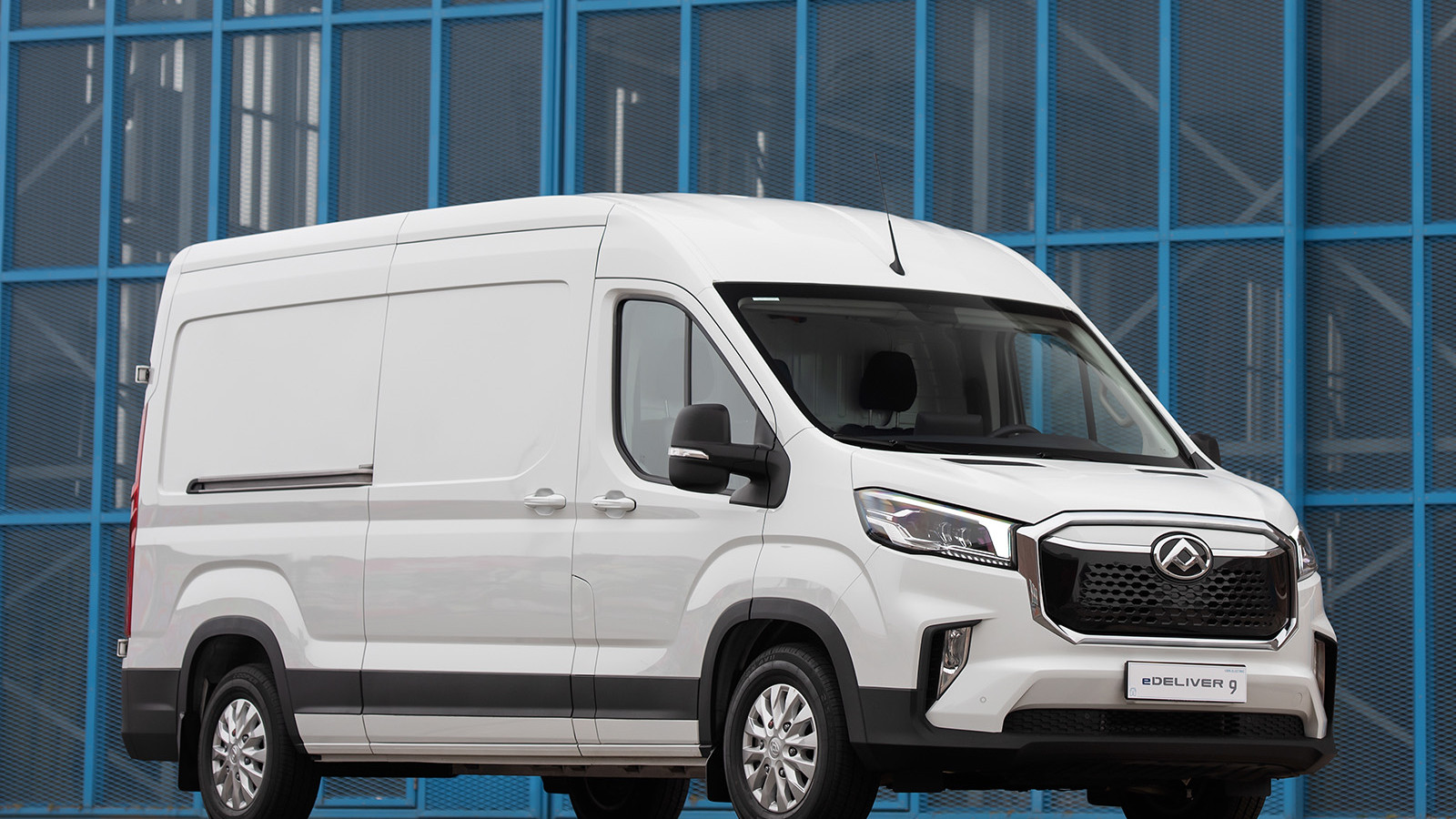
15. Maxus eDeliver 9 - 352 km (219 miles)
Produced in China, the Maxus eDeliver 9 is a popular electric van for deliveries around the UK and Europe.
The large panel van offers battery options measuring 51.5kWh, 72 kWh, and 88.55kWh, with the highest range figure claimed to stand at 219 miles.
The Maxus is unusual among vans in having official acceleration data: it can reach 49.89 kilometres per hour (31mph) in six seconds and 100 kilometres per hour (62mph) in 18 seconds.
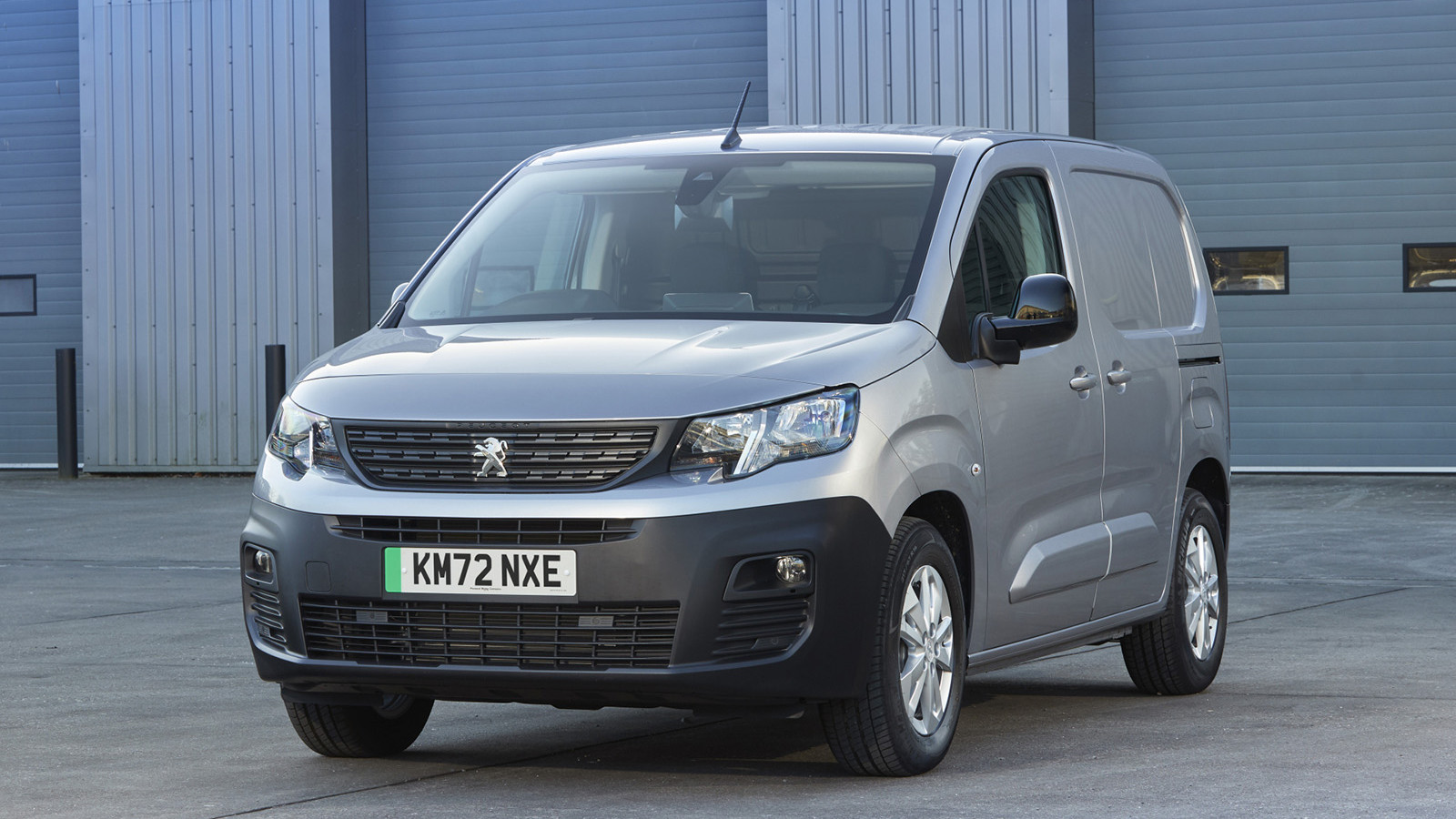
16. Peugeot e-Partner - 343 km (213 miles)
The Peugeot e-Partner is relatively small, especially when compared to the biggest panel vans in the industry.
A 52kWh battery - similar to that seen in the Peugeot e-208 small car - provides a range of 343km (213 miles), which is ahead of similarly sized rivals from Toyota and Renault.
Peugeot claims a payload capacity of up to 781kg, while you’ll be able to tow up to 750kg.
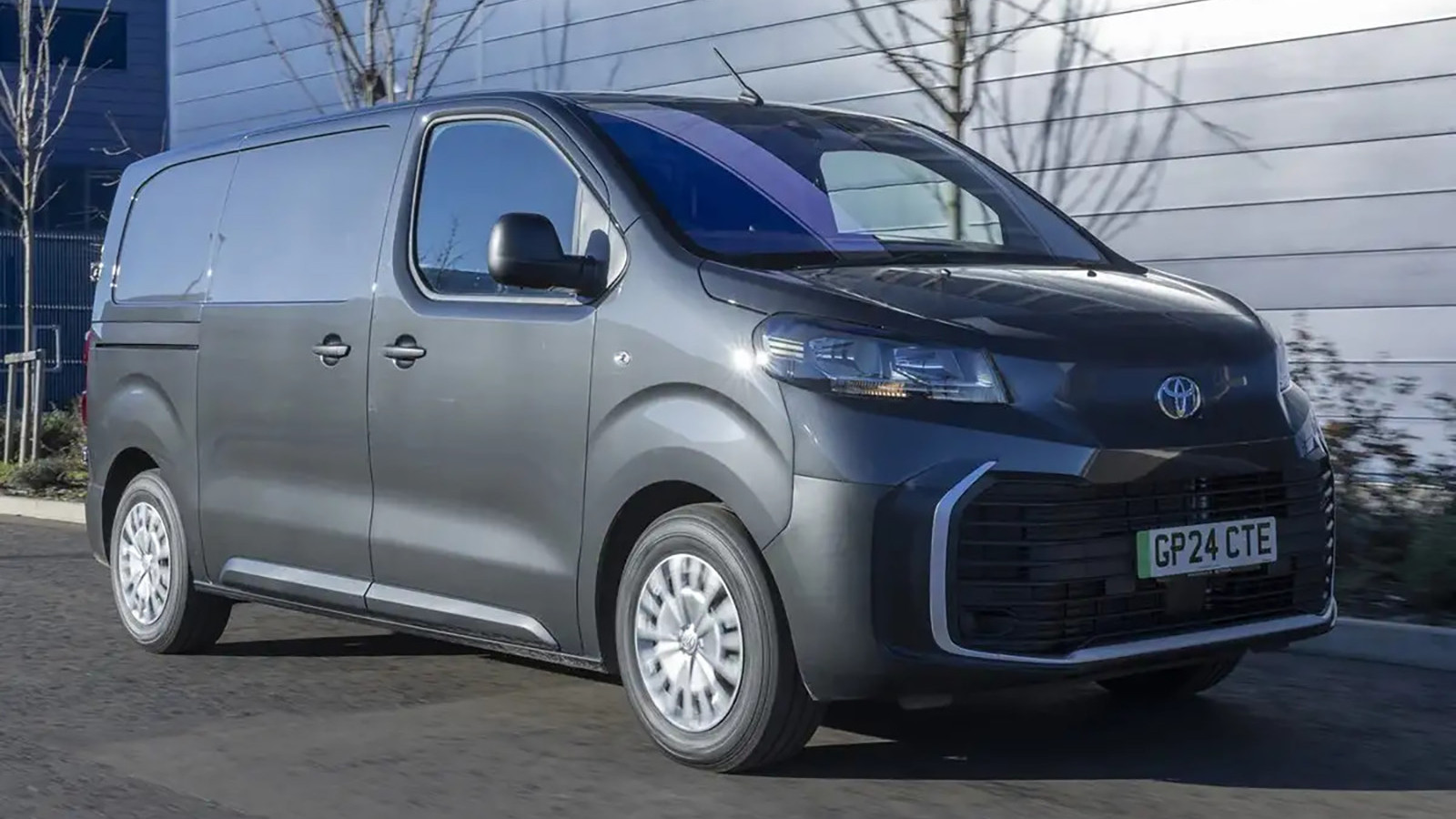
17. Toyota Proace City Electric - 343 km (213 miles)
The Toyota Proace City Electric’s 50kwh battery provides the small van with a range of 343km, which matches the Peugeot e-Partner.